| Log in to to access all content |

MASP Spotlight |
Bubbles and Goldfish: Psychological Evaluations for Toddlers and Preschoolers
Presented by Hannah Batley,PsyD
Monday, November 9th, 2026
3:30 PM to 5:00 PM
Zoom:https://us02web.zoom.us/j/85473386177?pwd=Rfs1bDJr4z08WbbSD7GpR4kBLzVCEm.1
About our presenter: Dr. Batley has a Doctorate in Psychology and School Psychology-University of Southern Maine Credentials: Licensed Psychologist and School Psychologist-DoctoralDescription of Duties:Dr. Batley conducts evaluations for populations ranging from preschool to high school, including but not limited to diagnostic, cognitive, academic, and behavioral evaluations. Dr. Batley currently specializes in pediatric psychological evaluations for toddlers and preschoolers. Dr. Batley has additional experience in school consultation services at the school wide, classroom, and individual student levels. Special professional interests include early childhood assessment and intervention, Autism Spectrum Disorder, Applied Behavior Analysis, Response to Intervention, and Positive Behavioral Interventions and Supports. Recognition/Awards: Dr. Batley received the Outstanding Graduate Student award and scholarship from the University of Southern Maine.Other pertinent information: Dr. Batley previously worked as a professional musician and continues to enjoy singing and playing the piano in her free time. Dr. Batley also enjoys hiking, knitting and enjoying the beauty of Maine with her family.
In this presentation, Dr. Batley will share information on her experiences and approach for comprehensive psychological evaluations in young children.
The following learning objectives will be addressed:
-
Special considerations for evaluating children five years old and younger
-
Common diagnostic questions and challenges
-
Tips on creating an age-appropriate evaluation setting
-
An overview of some commonly used assessment tools, including pros and cons (To ADOS or not to ADOS, that is the question)
-
Recommendations for developing competency
-
Q and A

FALL WORKSHOP
Friday, November 20th, 2026
In person at the Harraseeket Inn, Freeport, Maine
or
Virtual via ZOOM
AM Session (3.5 hours) Legal & Ethical Practice: Defensible Decisions. Elevated Standards.
School psychologists routinely face situations where ethical standards, legal requirements, professional judgment, school expectations, and real-world pressures collide. This program focuses on making sound, defensible decisions when the answer is not always clear. Through practical examples, participants will examine how to distinguish ethical concerns from legal obligations, recognize situations that increase professional risk, and apply a systematic decision-making process. Topics will include confidentiality and records, subpoenas, professional boundaries, competence, documentation, practitioner well-being, and emerging technologies such as artificial intelligence. The emphasis is on practical reasoning, not simply knowing the rules, so that participants can approach complex situations with greater consistency, confidence, and professional defensibility.
By the end of this workshop, participants will be able to:
1. Differentiate ethical standards, legal requirements, and professional practice considerations in school psychology.
2. Apply a systematic framework for making and documenting defensible professional decisions.
3. Identify common areas of legal and ethical risk and strategies for reducing that risk.
PM Session (2.5 hours) Precision Happiness: The Science of Well-Being in Action
Happiness is often treated as something we either have or don't have, but research suggests we can understand, strengthen, and practice well-being with greater precision. This session explores the science of happiness and the psychological processes that contribute to sustained well-being. Participants will examine evidence-based strategies drawn from positive psychology, cognitive-behavioral approaches, mindfulness, and related research. Topics will include self-compassion, gratitude, social connection, meaning, attention, and everyday habits that influence well-being. The emphasis will be on translating research into practical strategies you can use personally and incorporate into professional work with students, school staff, and families. Participants will leave with a clearer understanding of what the science says about happiness and practical tools to put it into action.
By the end of this workshop, participants will be able to:
1. Identify key psychological and behavioral factors associated with happiness and well-being.
2. Apply evidence-based strategies for strengthening well-being, including cognitive-behavioral, mindfulness, and positive psychology approaches.
3. Develop practical strategies for fostering self-compassion, gratitude, social connection, and other contributors to sustained well-being.
Presenter Bio:
Ray W. Christner, Psy.D., NCSP, ABPP, is a licensed psychologist in Pennsylvania and Delaware and a nationally certified school psychologist. He is also a nationally registered health service psychologist and board-certified in behavioral and cognitive psychology. Based in Hanover, Pennsylvania, Dr. Christner operates an independent practice and provides telepsychology services across 43 states through APIT (Authorization to Practice Interjurisdictional Telepsychology) and TAP (Temporary Authorization to Practice). His clinical expertise includes psychological and neuropsychological assessment, psychotherapy, consultation, and program evaluation. He is a sought-after expert in legal cases involving school psychological practice, mental health practice, ethics, and special education. As an internationally renowned author and speaker, Dr. Christner has made significant contributions to psychology and education through numerous publications and over 250 presentations. One of his books, Cognitive- Behavioral Interventions in Educational Settings: A Handbook for Practice (now in its 3 rd edition), has been translated into multiple languages. He is the author of the forthcoming test, the Christner Behavior and Adaptability Assessment System (C-BAAS TM ), which will be released by PAR, Inc., in 2027. Additionally, Dr. Christner co-hosts the “Psyched to Practice” podcast, which is streamed in over 50 countries. His work has been featured in Today, Parents, Newsweek, Lifehacker, Yahoo! Life, ABC, Fox, Special Education Connection, School Psychology Today, and Authority Magazine, among others.
Registration Information
Full Day registration includes continental breakfast, lunch, and afternoon snack
MASP Member Pricing
In Person = $195.00
Virtual = $150.00
Non-Member Pricing
In Person = $225.00
Virtual = $175.00
Student Pricing
In Person = $75.00
Virtual: $50.00
Retirees Pricing
In Person: $100.00
Virtual: $75.00
Online registration only
Registration closes Wednesday, November 11, 2026
Schedule for the Day:
Registration: 8:00 AM
Am: 8:30 to 12:00 PM
Lunch: 12:00 PM to 1:00 PM (including MASP annual meeting)
PM: 1:00 PM to 3:30 PM
5.5 NASP CEUs will be available to participants upon completion of the evaluation form.
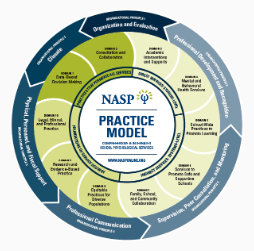
Who are School Psychologists? What can they do for you?
2021 Practice Model Brochure FINAL WEB.pdf Who Are School Psychologists Infographic_2020.pdf Member Recognition If you know of a MASP member who is serving our field well and deserves to be recognized (including yourself!), please let us know by filling out
|

MASP Executive Board
|
MASP Committees
Please contact a committee chair if you have questions about work related to a committee
Nominations & Elections Chair: |
Professional Standards Chairs: | Looking for meeting minutes? For committee meeting minutes go to the committee page. For Executive Board minutes, go to Executive Board Meetings and Minutes |
| Contact US PO BOX 443 Bridgton, Maine 04009 maineasp@gmail.com www.masponline.net |
|